- Riteish Deshmukh takes a leap into Telugu cinema with Ram Pothineni’s RAPO23
- From Ananya Panday to Kashika Kapoor to Janhvi Kapoor - 5 OG Bollywood Beauties Who Will Give You the Perfect Garba Looks You Need This Navratri
- From Reena Malhotra to Kamalpreet Dhanoa: 25 Years of Dia Mirza and Her Evolution as an Actor
- Who is Pragati Srivastava? The Fresh Face Set for a Promising Bollywood Debut with Aanand L Rai’s Nakhrewaalii
- Mia by Tanishq Launches "Lightscapes": A Jewellery Collection Inspired by the Magic of Festive Lights

Dr. Acharya Vinod Kumar Ojha Explains the Auspicious Significance of Dussehra, Its Rituals and Puja Vidhi
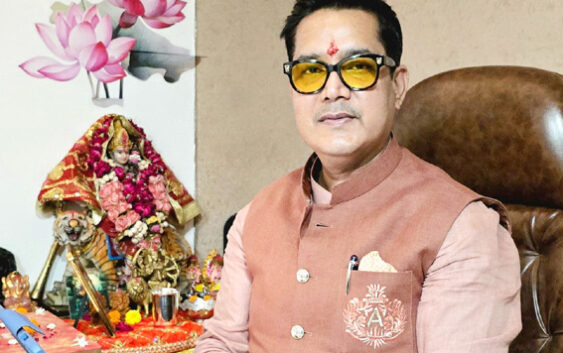
Dussehra, also known as Vijayadashami, is one of the most significant festivals in Hindu tradition, symbolising the victory of good over evil, truth over falsehood, and righteousness over negativity. Celebrated on the tenth day of the Ashwin month according to the Hindu lunar calendar, the festival marks the culmination of Navratri festivities and holds immense religious and spiritual importance for devotees across India.
Speaking about the significance of Dussehra, Dr. Acharya Vinod Kumar Ojha highlights the importance of understanding the festival beyond its grand celebrations. The occasion is considered highly auspicious for seeking divine blessings, beginning new ventures, performing religious ceremonies, and embracing positive changes in life.
The Spiritual Significance of Dussehra
According to Hindu mythology, Dussehra commemorates the victory of Lord Shri Ram over the demon king Ravana. The occasion also celebrates Goddess Durga’s victory over Mahishasura, representing the triumph of divine feminine power over destructive forces.
The festival carries a profound spiritual message: evil, arrogance, and injustice can never triumph over truth and righteousness in the long run. The ten heads of Ravana are often interpreted symbolically as representing negative qualities that individuals must overcome, including anger, greed, ego, jealousy, and attachment.
Dr. Acharya Vinod Kumar Ojha emphasises the importance of observing the festival with devotion and a positive mindset. Dussehra serves as a reminder to reflect on one’s actions, overcome personal shortcomings, and move forward with courage, discipline, and faith.
Auspiciousness of Dussehra and the Importance of Vijay Muhurat
Vijayadashami is traditionally regarded as an auspicious occasion for initiating new beginnings. Many devotees consider this day favourable for starting a business, purchasing property or vehicles, beginning educational pursuits, and undertaking important personal or professional commitments.
The Vijay Muhurat, associated with victory and success, holds particular importance in traditional Hindu observances. Devotees perform prayers during the auspicious period to seek blessings for prosperity, progress, and the successful completion of their endeavours.
According to traditional Hindu practices discussed in the context of Dussehra, the festival offers an opportunity to begin new journeys with faith and determination. However, the precise muhurat varies according to location and the Hindu calendar. Devotees are advised to consult their local panchang for the appropriate timings.
Dussehra Puja Vidhi: Traditional Rituals to Observe
Dussehra is celebrated through various religious practices that differ across regions and families. Some of the important rituals traditionally observed on this day include:
- Worship of Lord Shri Ram and Goddess Durga
Devotees begin the day by cleaning their homes and preparing a place for worship. Flowers, fruits, sweets, incense, and lamps are offered to the deities while prayers are performed to seek blessings for happiness, protection, and prosperity.
- Shastra Puja and Ayudha Puja
The worship of weapons, tools, and instruments is an important Dussehra tradition in several parts of India. Known as Shastra Puja or Ayudha Puja, the ritual expresses gratitude for the tools that help people fulfil their responsibilities and earn their livelihood. In modern times, people may worship their professional equipment, vehicles, books, and work-related instruments.
- Shami Tree Puja
The Shami tree holds special significance in certain Hindu traditions associated with Vijayadashami. Devotees worship the tree and seek blessings for courage, success, and prosperity. In Maharashtra, the exchange of Apta leaves, popularly regarded as symbolic gold, is a cherished Dussehra custom representing goodwill, abundance, and the strengthening of relationships.
- Aparajita Puja
In some traditions, devotees worship Goddess Aparajita, whose name signifies the undefeated or invincible one. The ritual is associated with seeking strength, confidence, and victory over obstacles. It is traditionally performed during the prescribed auspicious period on Vijayadashami.
- Ravan Dahan
The burning of Ravana’s effigy is among the most recognisable Dussehra traditions, particularly in northern India. The ritual commemorates Lord Ram’s victory and symbolises the destruction of evil and arrogance. Its deeper message encourages people to recognise and overcome negative qualities within themselves.
Dussehra Traditions Across India
Dussehra is celebrated in diverse ways across the country, reflecting India’s rich cultural and religious heritage. In northern India, Ramlila performances and Ravan Dahan bring the story of Lord Ram to life. In West Bengal, Vijayadashami marks the concluding celebrations of Durga Puja, with devotees bidding farewell to Goddess Durga.
In Maharashtra, people perform Shastra Puja, exchange Apta leaves, and participate in the traditional practice of Simollanghan. In several southern Indian traditions, Ayudha Puja honours the tools, instruments, and resources that support people’s daily lives and professions.
Despite these regional differences, the central message remains the same: faith, courage, righteousness, and the triumph of good over evil.
Dr. Acharya Vinod Kumar Ojha on the Deeper Message of Dussehra
Dussehra is not merely a religious celebration; it is also an opportunity for introspection and renewal. The festival encourages individuals to let go of negativity, strengthen their determination, and approach life’s challenges with wisdom and confidence.
Through an understanding of the festival’s auspiciousness, rituals, and spiritual significance, Dr. Acharya Vinod Kumar Ojha highlights the importance of preserving traditional practices while appreciating their deeper meaning. Observing Dussehra with sincerity and devotion allows people to embrace its timeless message of hope, righteousness, and positive transformation.
Ultimately, Vijayadashami reminds us that true victory begins within. By overcoming ego, practising honesty, and choosing the path of righteousness, individuals can carry the spirit of Dussehra into their everyday lives.