- Solaryaan Joins Haryana Green Energy Roadshow as Inverter Sales Cross 1 Lakh in H1 FY27
- फेयरफील्ड बाय मैरियट इंदौर में 7 अक्टूबर को शुरू होगा, ग्लास स्काई रूफटॉप रेस्टोरेंट, मिलेगा खास डाइनिंग एक्सपीरियंस
- ICICI Bank brings back ‘Festive Bonanza’ with exciting deals across shopping, travel, and lifestyle brands
- आईसीआईसीआई बैंक ने खरीदारी, यात्रा और लाइफस्टाइल ब्रांड्स पर आकर्षक ऑफर के साथ ‘फेस्टिव बोनांजा’ की फिर की शुरुआत
- Mumbai Deputy Mayor Sanjay Ghadi Honored with Mumbai Achievers Awards 2026

The Scene That Changed Maa Behen – How Triptii Dimri Delivered a Cathartic Moment for Women Everywhere
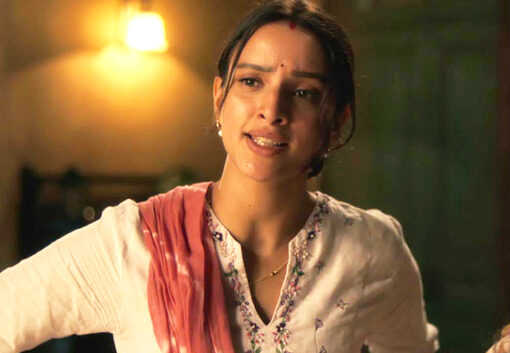
Every film has a scene that audiences carry in their hearts. In Maa Behen, it is not one of the film’s twists, comic moments or dramatic reveals. It is a confrontation. A release that comes after years of silence compressed into a few unforgettable minutes.
Triptii Dimri’s Jaya spends much of the film doing what countless women are taught to do from a young age – adjust, accommodate and endure. She listens. She swallows disappointment. She absorbs disrespect disguised as tradition and control masquerading as concern. By the time she finally turns towards her husband and says what has been left unsaid for far too long, the scene has already won.
The brilliance of the moment lies in how ordinary it feels. Jaya is not fighting a villain. She is confronting something that is the everyday expectations that ask women to be patient, understanding and self-sacrificing, even when nobody extends the same grace to them.
For women watching, that familiarity is what makes the scene so powerful. Most acts of rebellion in cinema are designed to look extraordinary. This one feels recognisable. It echoes conversations that happen behind closed doors, frustrations that remain unspoken at family gatherings and compromises that slowly become invisible because they are repeated every day.
What makes Triptii’s performance stand out is her refusal to play the scene as a grand speech. She does not transform Jaya into a larger-than-life heroine. Instead, she allows the anger to emerge from hurt, exhaustion and disappointment. The result is not a woman delivering a monologue. It is a woman reaching her limit.
The most memorable scenes are often the ones that feel less like acting and more like relatiblity. Viewers are not applauding because Jaya is fearless. They are applauding because they understand exactly how much courage it takes to say those words.
It is also a reminder of why Triptii has become one of the most compelling performers of her generation and the nation’s favourite leading lady. Long before she became a mainstream sensation, films like Bulbbul and Qala, as well as Dhadak 2 revealed her ability to communicate complex emotions without resorting to excess. In Maa Behen, she draws upon the same strength. Her performance is measured and human, making her a rare star loved across audiences.
The scene has quickly become one of the film’s most discussed moments because it offers emotional catharsis that feels earned. The audience has lived through Jaya’s frustrations alongside her. When she finally speaks, she speaks not only for herself but for every woman who has ever been told to stay quiet, keep the peace or put herself last.
Long after the film ends, viewers may forget specific plot points or punchlines. What they are likely to remember is the image of a woman deciding that enough is enough.
And in that moment, Triptii Dimri does not just deliver the defining scene of Maa Behen; she delivers its beating heart, re-establishing her as a star everyone is rooting for.